


Home › Guides › 8 Project Management Methodologies Explained
Last updated: October 29, 2026
TechCurato is reader-supported. Some links are affiliate links: we may earn a commission at no extra cost to you. Learn more.
8 Project Management Methodologies Explained (2027)
A project management methodology is a set of principles and practices for planning and delivering work. The most common are Waterfall (plan everything, then execute in order), Agile (deliver in small increments and adapt), Scrum (Agile in fixed sprints), Kanban (continuous flow with limits on work in progress), Lean (cut waste), Critical Path Method (schedule around the longest chain of tasks), PRINCE2 (structured governance) and hybrid approaches that mix them. Small teams rarely follow one by the book; they pick the parts that fit their work. Project tools such as ClickUp, Asana, monday.com and Trello support most of them.
- Waterfall suits fixed scope and deadlines; Agile suits changing requirements.
- Scrum works in sprints of usually one to four weeks.
- Kanban suits continuous work such as support, content or operations.
- Many teams use a hybrid: a Waterfall timeline with Agile execution.
- Tools: ClickUp, Asana, monday.com, Trello, Notion.
The methodologies at a glance
| Methodology | Core idea | Best for | Typical view in tools |
|---|---|---|---|
| Waterfall | Sequential phases, planned up front | Fixed-scope projects, construction, events | Gantt chart |
| Agile | Short cycles, frequent feedback | Software, products, changing needs | Boards, backlogs |
| Scrum | Agile in fixed sprints with defined roles | Product teams | Sprint boards |
| Kanban | Visualize work, limit work in progress | Ongoing work streams | Kanban board |
| Lean | Remove waste, deliver value faster | Operations, process improvement | Boards, process maps |
| Critical Path Method | Schedule by the longest dependent chain | Complex schedules | Gantt with dependencies |
| PRINCE2 | Structured stages and governance | Large, formal projects | Stage plans, reports |
| Hybrid | Mix of plan-driven and Agile | Most small and mid-size teams | Gantt plus boards |
Waterfall
Work moves through phases in order: requirements, design, build, test, deliver. Each phase finishes before the next begins. It's clear and easy to report on, but changes late in the project are expensive. Use it when the scope is fixed and well understood, such as an office move or an event. A Gantt chart is the usual planning tool.
Agile
Agile delivers work in small increments and adjusts based on feedback. Teams plan in short cycles, review results often and reprioritize. It suits work where requirements change or are discovered along the way. Agile is a mindset with several frameworks, of which Scrum and Kanban are the best known. See what is agile project management.
Scrum
Scrum organizes work into sprints, typically one to four weeks. A product owner manages the backlog, a Scrum Master supports the process and the team commits to a sprint goal. Events include sprint planning, daily stand-ups, a sprint review and a retrospective. It brings rhythm and focus, but needs protected time and stable teams.
Kanban
Kanban shows work as cards moving across columns (To do, In progress, Done) and limits how many items can be in progress at once. There are no fixed sprints: work flows continuously. It suits support, content production, marketing and operations. See Kanban vs Scrum.
Lean
Lean focuses on delivering value and removing waste, such as waiting, rework and unnecessary steps. Many teams apply Lean ideas inside Kanban: map the workflow, find bottlenecks and improve continuously.
Critical Path Method (CPM)
CPM lists tasks, their durations and dependencies, then finds the longest chain that sets the end date. Delays on that chain delay the project. It's a scheduling technique often used inside Waterfall projects.
PRINCE2
PRINCE2 is a structured method with defined roles, stages, controls and documentation, widely used in government and large organizations. It's thorough but heavy for small teams.
Hybrid approaches
Many teams plan the big milestones with a timeline and deliver the work inside each phase with Agile boards. For example, an agency fixes the launch date with the client and runs two-week sprints for design and development. This is often the most practical choice for small businesses.
How to choose a methodology
| If your work... | Consider |
|---|---|
| Has a fixed scope and deadline | Waterfall or CPM |
| Changes often based on feedback | Agile or Scrum |
| Arrives continuously | Kanban |
| Has lots of handoffs and delays | Lean with Kanban |
| Needs formal approvals and reporting | PRINCE2 or Waterfall |
| Mixes fixed deadlines with evolving tasks | Hybrid |
Also consider team size, client expectations and how much process your team will actually follow.
Tools that support each methodology
| Tool | Views | Free plan | Entry paid price (annual) |
|---|---|---|---|
| ClickUp | List, board, Gantt, sprints, workload | Free Forever | Core $9/user |
| Asana | List, board, timeline, portfolios | Personal, free for 2 users | Starter $10.99/user |
| monday.com | Board, Gantt, timeline, dashboards | Up to 2 seats | Basic $9/seat (3-seat minimum) |
| Trello | Kanban boards; timeline on paid plans | 10 collaborators per Workspace | Standard $5/user |
| Notion | Databases with board and timeline views | Free for individuals | Plus $10/seat (monthly) |
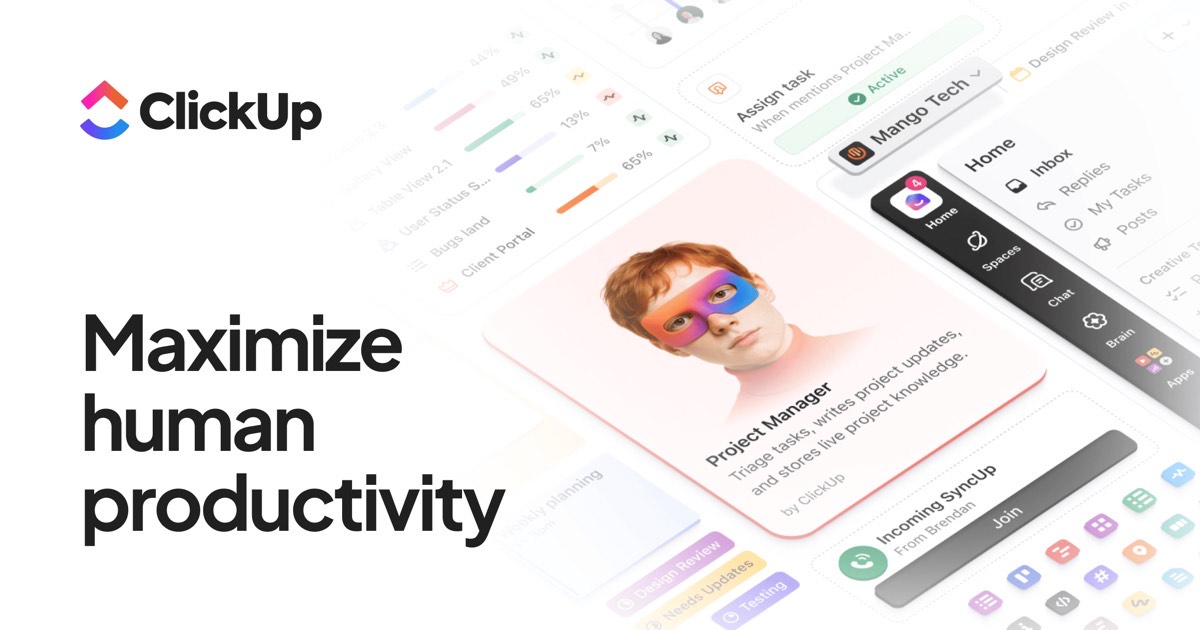
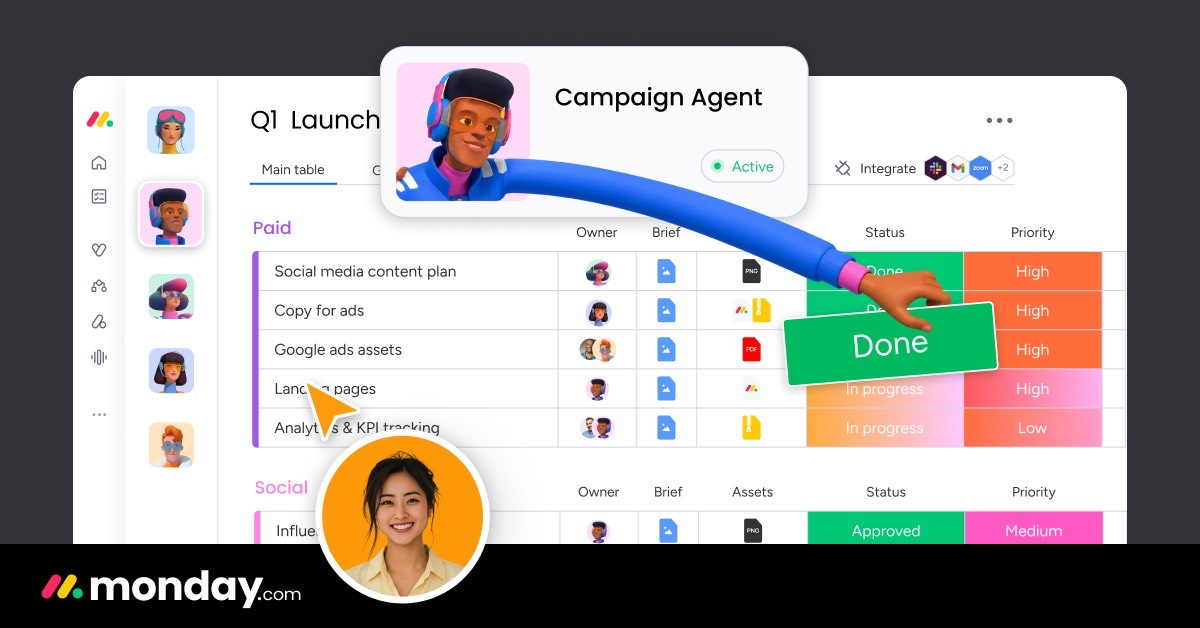
ClickUp covers the widest range of methodologies in one tool. Trello is the simplest for pure Kanban. Asana and monday.com balance structure and ease of use. See best project management software for small teams and ClickUp vs Asana.
Try ClickUp Free Forever → Boards, sprints and Gantt in one workspace · Affiliate link
Common mistakes
- Adopting a full framework the team doesn't follow.
- Calling a process Agile but planning everything up front.
- Running Scrum without protected sprint time.
- Using Kanban without limits on work in progress.
- Choosing a tool before deciding how the team works.
Terms explained
- Backlog: a prioritized list of work to do.
- Sprint: a fixed period in which a team completes planned work.
- Work in progress (WIP) limit: the maximum number of tasks in a stage.
- Milestone: a key checkpoint in a project.
- Retrospective: a meeting to review how the team worked.
Introducing a methodology to your team
Start with a two-month trial. Explain why you're changing, choose a small project or one team, set up the board or timeline in your tool, and hold a short review every two weeks. Ask what helps and what feels like overhead, then adjust. Teams adopt processes they helped shape.
Methodology and team size
A solo freelancer needs little more than a Kanban board and a calendar. A team of five to fifteen benefits from a light hybrid: shared boards, a weekly review and a timeline for client milestones. Larger organizations may need more formal planning, portfolio views and reporting. Choose the lightest approach that gives everyone a clear picture of priorities and deadlines.
See also: 30 OKR Examples by Team + How to Write OKRs.
Our verdict
There's no single best methodology. Waterfall suits fixed projects, Scrum suits product teams that can work in sprints, and Kanban suits continuous work. Most small teams do best with a light hybrid: a timeline for deadlines and a board for daily work. Choose a tool like ClickUp or Asana that supports the views you need, and keep the process simple enough to follow every week.
How we compiled this guide
Descriptions follow widely used definitions of each methodology. Tool features and prices come from official pricing pages checked October 30, 2026.
FAQ
What are the main project management methodologies?
Waterfall, Agile, Scrum, Kanban, Lean, Critical Path Method, PRINCE2 and hybrid approaches.
Which methodology is best for small teams?
Often a simple hybrid or Kanban, because they need little process overhead.
What is the difference between Agile and Waterfall?
Waterfall plans everything up front and works in sequence; Agile delivers in small increments and adapts.
Is Scrum the same as Agile?
Scrum is one framework for applying Agile principles.
Can I use more than one methodology?
Yes. Many teams combine a timeline for milestones with Agile boards for daily work.
What tool supports all methodologies?
ClickUp offers list, board, Gantt and sprint views; monday.com and Asana cover most needs too.
What methodology do agencies use?
Many use a hybrid: fixed milestones agreed with clients and Agile sprints or Kanban boards for the work.
Which methodology is best for marketing teams?
Kanban for ongoing content and campaigns, or short sprints for launches; many marketing teams use both.
Do I need certification to use these methodologies?
No. Certifications like Scrum or PRINCE2 can help larger teams align, but small teams can apply the core ideas directly. Start simple, review how it works after a few weeks and adjust.
Can I switch methodologies later?
Yes. Most tools support several views, so you can move from a board to a timeline without migrating data.
Sources
Common definitions of project management methodologies; official pricing pages of ClickUp, Asana, monday.com, Trello and Notion, checked October 30, 2026.