


Home › Guides › What Is Agile Project Management?
Last updated: October 29, 2026
TechCurato is reader-supported. Some links are affiliate links: we may earn a commission at no extra cost to you. Learn more.
What Is Agile Project Management? (2027) A Practical Guide
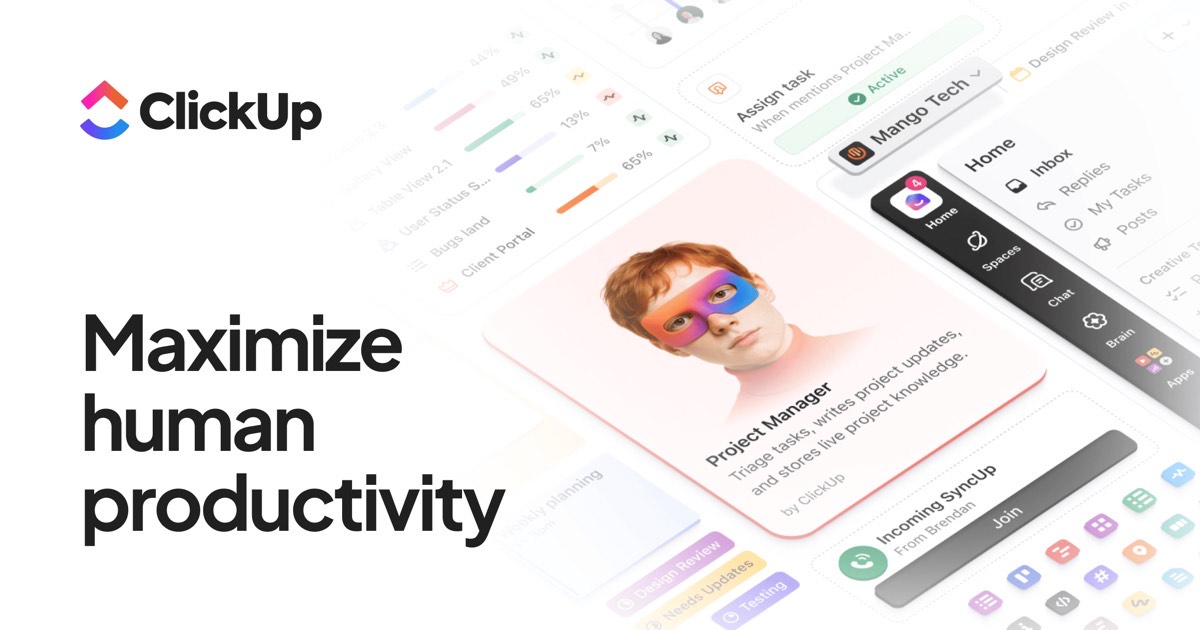
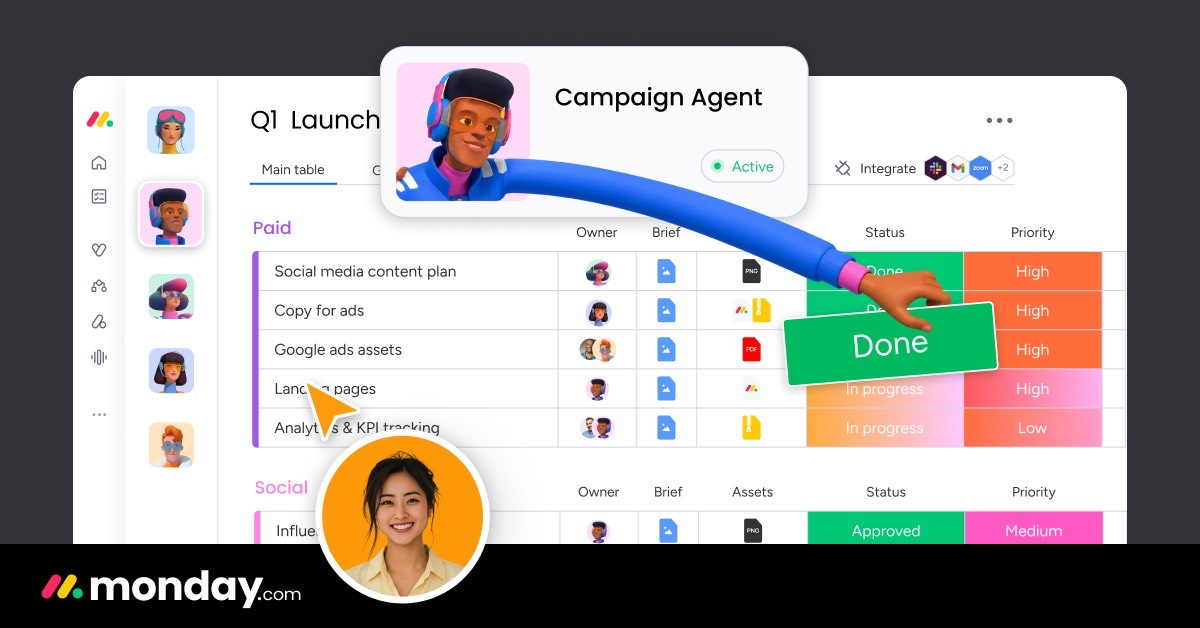
Agile project management is a way of delivering work in small, frequent increments instead of one big release at the end. Teams plan in short cycles, show results often, collect feedback and adjust priorities as they learn. It grew out of software development and the 2001 Agile Manifesto, and is now used by marketing, product, design and operations teams. The best-known Agile frameworks are Scrum, which works in fixed sprints, and Kanban, which manages a continuous flow of work. Tools like ClickUp, Asana, monday.com and Trello support both.
- Work is split into small pieces delivered in short cycles.
- Priorities live in a backlog that is reordered as the team learns.
- Feedback from users or stakeholders shapes what comes next.
- Scrum uses sprints of usually one to four weeks; Kanban uses continuous flow.
- Agile suits work where requirements change or aren't fully known up front.
The Agile values
The Agile Manifesto states four values. Agile teams value:
- Individuals and interactions over processes and tools.
- Working software over comprehensive documentation (for non-software teams, read "working results").
- Customer collaboration over contract negotiation.
- Responding to change over following a plan.
The items on the right still matter; the items on the left matter more. The manifesto also lists twelve principles, including delivering working results frequently, welcoming changing requirements and reflecting regularly on how to improve.
How Agile works in practice
| Element | What it is |
|---|---|
| Backlog | A prioritized list of work, from features to tasks |
| User story | A short description of a need from the user's point of view |
| Iteration or sprint | A short, fixed period to deliver a set of items |
| Board | Columns showing work moving from "To do" to "Done" |
| Stand-up | A short daily check-in on progress and blockers |
| Review or demo | Showing finished work to stakeholders |
| Retrospective | Discussing what to improve in how the team works |
A typical cycle: the team picks the top items from the backlog, works on them for one or two weeks, shows the result, gathers feedback, reorders the backlog and starts again.
Agile vs Waterfall
| Agile | Waterfall | |
|---|---|---|
| Planning | Continuous, in short cycles | Up front, in detail |
| Delivery | Small increments, often | One delivery at the end |
| Change | Expected and welcomed | Costly late in the project |
| Customer involvement | Frequent | Mostly at start and end |
| Best for | Evolving products, uncertain requirements | Fixed scope, regulated or physical projects |
Many teams combine them: a fixed launch date and budget, with Agile delivery inside. See project management methodologies.
Agile frameworks
Scrum
Work happens in sprints. A product owner orders the backlog, a Scrum Master supports the team and process, and the team commits to a sprint goal. Events: sprint planning, daily stand-up, sprint review and retrospective.
Kanban
Work flows across a board, with limits on how many items can be in progress in each column. There are no fixed sprints. It suits support, content and operations. See Kanban vs Scrum.
Scrumban and other hybrids
Teams often take sprints and reviews from Scrum and work-in-progress limits from Kanban.
Scaled frameworks
Large organizations use frameworks such as SAFe or LeSS to coordinate many Agile teams. Small businesses rarely need them.
Benefits of Agile
- Faster feedback, so you build the right thing sooner.
- Visible progress every cycle.
- Easier to change direction when priorities shift.
- Problems surface early instead of at the end.
- Teams improve how they work through regular retrospectives.
Drawbacks and challenges
- Harder to promise a fixed scope and date up front.
- Needs engaged stakeholders who give regular feedback.
- Meetings can multiply if the process isn't kept light.
- Without discipline, "Agile" can become an excuse for no planning.
Agile for non-software teams
| Team | How Agile looks |
|---|---|
| Marketing | Two-week sprints of campaigns and content, a backlog of ideas, reviews of results |
| Design | Iterations of prototypes tested with users |
| Operations | Kanban board for requests and improvements |
| Agencies | Sprints within a fixed client timeline, demos at each sprint end |
Agile project management tools
| Tool | Agile features | Free plan | Entry paid price (annual) |
|---|---|---|---|
| ClickUp | Sprints, boards, backlogs, points, dashboards | Free Forever | Core $9/user |
| Asana | Boards, sections for sprints, rules | Personal, free for 2 users | Starter $10.99/user |
| monday.com | Sprint templates, boards, dashboards | Up to 2 seats | Basic $9/seat (3-seat minimum) |
| Trello | Simple Kanban boards, Power-Ups | 10 collaborators per Workspace | Standard $5/user |
| Notion | Sprint and backlog databases | Free for individuals | Plus $10/seat (monthly) |
ClickUp has the most built-in Agile features for the price. Trello is the simplest Kanban option. Asana and monday.com suit mixed teams that want structure without heavy process. See best project management software for small teams and Trello vs ClickUp.
Try ClickUp Free Forever → Sprints, backlogs and boards included · Affiliate link
How to start with Agile
- Put all work into one backlog and order it by value.
- Choose a cycle length, such as two weeks.
- Hold a short planning meeting to pick work for the cycle.
- Track work on a board; keep a short daily or twice-weekly check-in.
- Show results at the end of the cycle and collect feedback.
- Hold a 30-minute retrospective and pick one improvement.
- Repeat, and adjust the process to fit your team.
Common mistakes
- Copying a framework rigidly without adapting it.
- Never showing work to users or stakeholders.
- Overloading sprints with more work than the team can finish.
- Skipping retrospectives.
- Treating stand-ups as status reports to a manager.
Terms explained
- Backlog: the ordered list of work waiting to be done.
- Sprint: a fixed period of work in Scrum.
- User story: a need written from the user's point of view.
- Velocity: how much work a team completes per sprint.
- Retrospective: a meeting to improve the way the team works.
Measuring Agile progress
Track what the team finishes each cycle, how long work takes from start to done, and how often priorities change mid-cycle. Use the numbers to plan realistically and discuss them in retrospectives rather than to compare people.
Agile roles in small teams
In small teams, one person often wears several hats: the founder may act as product owner, and a team lead may run the meetings instead of a dedicated Scrum Master. That's fine. What matters is that someone owns priorities, someone keeps the process light and useful, and the team meets regularly to review work and improve. Formal roles help larger teams more than a team of five.
Our verdict
Agile project management helps teams deliver value sooner and adapt as they learn. Start small: one backlog, a two-week cycle, a board and a short retrospective. ClickUp gives you sprint tools for free; Trello is enough if you just want a Kanban board.
How we compiled this guide
Values and principles come from the Agile Manifesto; framework descriptions follow common definitions of Scrum and Kanban. Tool details come from official pricing pages checked October 30, 2026.
FAQ
What is Agile in simple terms?
Delivering work in small pieces, getting feedback often and adjusting as you go.
What is the difference between Agile and Scrum?
Agile is a set of values and principles; Scrum is one framework for applying them.
Is Agile only for software?
No. Marketing, design, operations and agencies use Agile methods too.
How long is a sprint?
Usually one to four weeks; two weeks is common.
What are the main Agile ceremonies?
Planning, daily stand-up, review and retrospective.
What tool is best for Agile teams?
ClickUp for built-in sprints; Trello for simple Kanban; Asana or monday.com for mixed teams.
Can Agile work with fixed deadlines?
Yes. Fix the date, then prioritize the backlog so the most valuable work is done first.
Is Agile faster than Waterfall?
Agile delivers usable pieces sooner, but the whole project isn't necessarily faster; the benefit is earlier feedback.
What is a product owner?
The person responsible for ordering the backlog so the team works on the most valuable items first.
What is a retrospective?
A short meeting at the end of a cycle where the team discusses what went well, what didn't and one change to try next time. It's how Agile teams improve their process.
What is a backlog?
An ordered list of work waiting to be done, with the most valuable items at the top.
Sources
The Agile Manifesto (2001); official pricing pages of ClickUp, Asana, monday.com, Trello and Notion, checked October 30, 2026.